
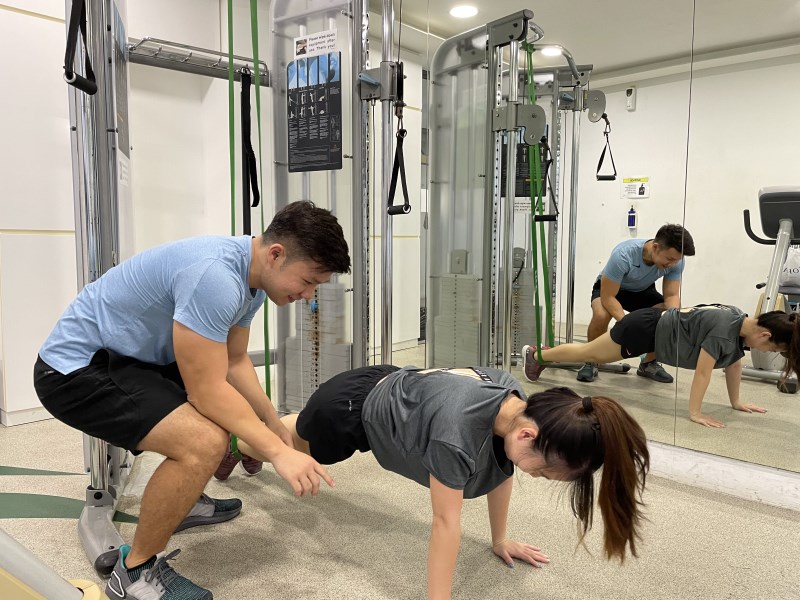
Singapore’s tropical climate creates unique challenges for people who train regularly. Heat, humidity and high sweat rates can affect comfort, movement quality and overall workout performance. This is why many individuals rely on a personal gym trainer singapore not only for technique guidance and programme design but also for advice on climate appropriate activewear. The right apparel can improve sweat management, reduce skin irritation, enhance mobility and support better form during strength and conditioning sessions.
Activewear is more than a fashion choice. It is an important tool for comfort and performance, especially in a city where humidity is present throughout the year. Trainers understand how fabric, fit and functionality influence training outcomes and help clients choose gear that suits their body type, sweat patterns and workout routines.
Why Climate Smart Activewear Matters in Singapore
Humidity slows sweat evaporation, causing heat to build up faster. This affects exercise endurance, confidence and motivation.
The Impact of Sweat Accumulation on Performance
Excessive sweat can:
-
Cause clothing to cling uncomfortably
-
Reduce grip strength
-
Increase the risk of chafing
-
Distract focus during lifting
-
Trigger skin irritation
-
Increase fatigue
Climate smart activewear helps reduce these problems significantly.
Why Ordinary Clothing Does Not Work for Training
Everyday cotton clothing absorbs sweat but does not dry quickly. This can feel heavy and uncomfortable during workouts. Trainers recommend performance fabrics that wick moisture effectively without absorbing too much water.
What Trainers Consider When Recommending Activewear
A trainer’s guidance is based on practicality, comfort and your training goals. Many Singaporeans underestimate how much proper activewear affects their performance.
Sweat Wicking Efficiency
The first factor trainers look at is how well a fabric handles moisture. Fabrics that wick sweat away from the skin help regulate temperature and reduce irritation. This is especially important for individuals who sweat heavily or train outdoors.
Breathability and Ventilation
Good activewear must allow air to move freely through the fabric. Trainers encourage clients to choose tops and bottoms with mesh panels or breathable fabric zones that enhance ventilation around heat prone areas.
Range of Motion
Activewear must support full movement without restriction. Trainers evaluate:
-
Stretch capability
-
Seam placement
-
Material thickness
-
Fit around joints
This ensures exercises like squats, lunges and presses feel smooth and natural.
Skin Comfort and Anti Irritation Properties
Sweat combined with poor fabric can lead to rashes, redness or chafing. Trainers recommend fabrics with smooth textures and minimal seams for clients with sensitive skin.
How Personal Trainers Match Activewear to Training Styles
Trainers provide different recommendations depending on the type of workout you perform.
Strength Training
For strength sessions, trainers suggest:
-
Tops that stay in place during overhead movements
-
Shorts or leggings with a secure waistband
-
Moisture wicking fabrics that do not cling excessively
-
Clothing with good stretch for squats, hinges and presses
This helps maintain focus and ensures movement precision.
High Intensity Conditioning
For higher intensity work, activewear must manage sweat efficiently. Trainers recommend:
-
Quick drying fabrics
-
Lightweight tops
-
Shorts with ventilation holes
-
Clothing that minimises heat retention
This prevents overheating during intense blocks.
Mobility and Flexibility Work
During mobility training, soft fabrics with good stretch are essential. Trainers look for:
-
Four way stretch materials
-
Thin, smooth textures
-
Clothing that supports reaching and deep stretching motions
This enhances movement fluidity.
Sweat Management for Singapore’s Humid Climate
Sweat management is one of the biggest concerns trainers address with clients. The right activewear helps stabilise temperature and improves workout quality.
Quick Drying Fabrics
Quick drying materials remove moisture rapidly, preventing clothing from feeling heavy. Trainers recommend these fabrics for clients who train outdoors or during peak humidity hours.
Strategic Ventilation Zones
Activewear with ventilation in areas like the back, underarms and thighs offers better cooling. Trainers help clients identify which zones are most beneficial based on their sweat patterns.
Choosing the Right Fit
Loose clothing may trap heat, while overly tight clothing can reduce ventilation. Trainers help clients find the balance that supports both cooling and movement freedom.
How Movement Precision Is Affected by Apparel Choice
Clothing can influence form, stability and technique during workouts.
Compression Clothing for Stability
Some trainers recommend light compression wear to support muscle engagement and reduce excessive movement during lifts. This helps clients maintain better control and alignment.
Clothing That Supports Visual Feedback
Trainers often watch movement patterns closely. Well fitted clothing allows trainers to observe posture, joint alignment and form with greater accuracy, improving coaching precision.
Ensuring Clothing Does Not Distract From Technique
Ill fitted or uncomfortable clothing can create unnecessary distractions. Trainers encourage clients to choose pieces that feel comfortable even during challenging movements.
Practical Activewear Tips Trainers Share With Clients
Beyond material and fit, trainers provide practical advice for maintaining comfort during workouts.
Rotate Activewear Regularly
Regular rotation prevents fabric wear and helps maintain sweat wicking properties.
Choose Light Colours for Outdoor Training
Light colours reflect heat while dark colours absorb it. This makes a noticeable difference when training under the sun.
Select Activity Specific Footwear
Footwear influences stability, foot mechanics and performance. Trainers ensure clients choose shoes that match their training style.
Keep Spare Clothing for Post Workout Comfort
A quick change reduces skin irritation and keeps the body cool after intense sessions.
Common Mistakes People Make When Choosing Activewear
Trainers often see clients choose clothing based solely on appearance without considering training needs.
Choosing Too Tight or Too Loose Clothing
Overly tight pieces restrict movement, while loose pieces interfere with form and ventilation.
Ignoring Fabric Labels
Not all athletic looking clothing is moisture wicking. Trainers teach clients how to identify proper fabric blends.
Using Worn Out Activewear for Too Long
Old clothing loses stretch, ventilation and sweat management efficiency.
Why Trainers in Singapore Take Activewear Guidance Seriously
Trainers understand that the right apparel reduces risk, boosts confidence and supports performance.
Clients who prefer expert guidance in a structured environment often visit True Fitness Singapore for personalised training and apparel recommendations suited to the local climate.
Real Life Scenarios From Training Sessions
Client With Excessive Sweating
Trainer recommends quick drying tops and lightweight shorts to reduce discomfort.
Client Doing Heavy Strength Work
Trainer suggests fitted tops and supportive bottoms for better movement feedback.
Client With Sensitive Skin
Trainer prioritises smooth fabrics with minimal seams to reduce irritation.
Frequently Asked Questions
Why do I feel hotter in certain activewear even indoors?
Some fabrics trap heat or dry slowly. Moisture wicking materials help regulate body temperature more effectively.
Is compression wear necessary for strength training?
Not always. It can help with stability, but comfort and proper fit are more important.
Can I wear the same activewear for all training styles?
It is possible, but having activity specific pieces enhances comfort and performance.
Do I really need moisture wicking fabrics in Singapore?
Yes. The climate produces constant humidity and high sweat rates. Proper fabrics improve comfort and focus.
How often should I replace activewear?
Every six to twelve months depending on usage and fabric condition.
